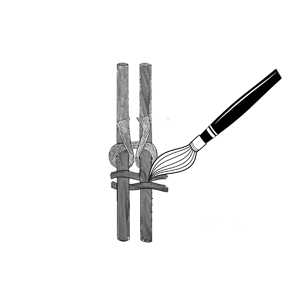
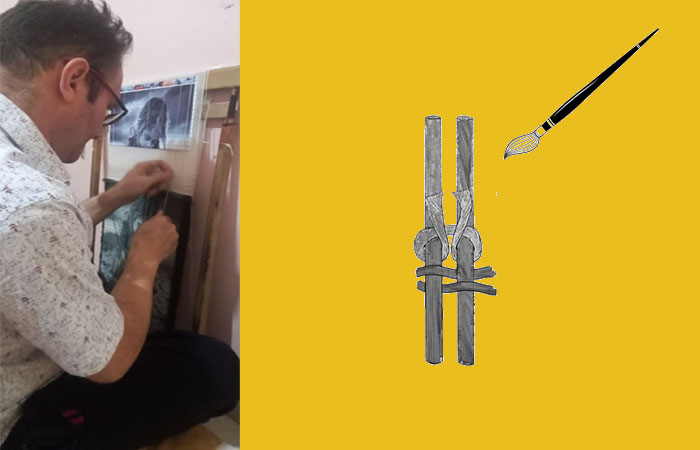
نقاشی با گره قالی ؛ چهرههایی که از دل فرش طلوع میکنند / روایتی از کامران تاری، بافندهای از دیار تبریز، پایتخت فرش جهان
در شهری که کوچههایش بوی تار و پود میدهد و هر خانهای در آن، ردّی از گره و رنگ دارد، مردی زندگی میکند که قصهی قالی را جور دیگری روایت میکند. تبریز، این کهندیار هنر فرشبافی، امروز نامی تازه در حافظهی هنرش ثبت کرده: کامران تاری.
کامران، وارث نسلیست که گره به گره این هنر را زندگی کردهاند. از هشتسالگی پای دار قالی نشسته، و دوازده سال با الگویی که از پدرانش به ارث برده بود، بافته. اما از جایی به بعد، نقشهها دیگر پاسخگوی خیال او نبودند. ذهنش خواست آزاد شود؛ تا فرش را نه براساس طرحی از پیش تعیینشده، که از دل یک عکس، یک چهره، یک حس ببافد. فارغ از فناوری، بیهیچ نقشهای. فقط چشم، نخ، و جانِ آگاهِ یک هنرمند.
فرشهای او چهرهاند. نگاهاند. حساند. نه بافت سنتی به معنای رایج، که چیزی فراتر از آن؛ گرههایی که به ظرافت ضربههای قلم روی بوم، جزئیاتی را میسازند که چشم را میخکوب میکند.
تخصصش چهرهبافیست؛ اما نه از آن دست که هر روز میبینی. او با طیفهای یک رنگ، با بازی نور و سایه، با درک عمیق از رنگرزی سنتی، تصاویر را زنده میکند. گویی نخ، تحت فرمانش، نقاشی میشود. او نه تنها بافنده که رنگرز هم هست؛ تمام فرآیند از او آغاز میشود و با دستهای خودش به پایان میرسد.
این شیوهی بافت ذهنی، پیش از این در گوشهوکنار ایران سابقه داشته، اما آنچه کامران تاری از آن ساخته، ترکیبیست از سنت و شهود. او نخواسته از اصالت جدا شود، بلکه اصالت را در شکلی نو بازآفرینی کرده است.
«نقاشی با گره قالی » در نگاه او یک هنر نادر است، سنتی رو به فراموشی، که در جهانی پر از ماشین و سرعت، به گوشهای رانده شده. و او، با گرههایی نرم اما ریشهدار، همچون نگهبانی خاموش، این میراث را زنده نگه داشته.
فرشهایی خلق میکند که در زمانی کوتاه، مخاطب را مبهوت میکند. نه فقط به خاطر سرعت، بلکه بهواسطهی دقت. انگار تمام آنچه در دلش دارد، یکباره از انگشتانش سرازیر میشود.
کامران تاری، قالیبافی سادهزیست از تبریز است؛ اما هنر او، گرانبهاییست که باید دیده شود، شنیده شود، و الگو شود. برای آنان که دل در گروی قالی دارند. برای آنان که هنوز باور دارند سنت، اگر درست فهمیده شود، میتواند خلاقانهترین شکل هنر باشد.
Painting with Carpet Knots: Faces Woven from Thread and Soul A glimpse into the art of Kamran Tari, master weaver from Tabriz—the world’s carpet capital
:white_small_square:In a city where the air smells of yarn and color, and carpets are part of everyday life, lives a man who has given this ancient craft a new voice. Tabriz—known around the world for its rich carpet-weaving tradition—now proudly carries a new name in its artistic legacy: Kamran Tari.
:white_small_square:Kamran has been weaving for over 40 years. He started as a child at the loom and has grown into one of the leading masters of this art. He comes from a family deeply rooted in the tradition of carpet-making, but over time, he developed a unique path of his own.
:white_small_square:For many years, he wove carpets using traditional patterns. But one day, he felt the need to go beyond. Instead of following pre-designed maps, he wanted to weave from a photograph, a face, a feeling. No printed pattern—just his eyes, hands, thread, and the heart of an artist.
:white_small_square:The result is carpets that look like portraits. Like emotions turned into texture. Each knot is placed so precisely and delicately that it resembles a brushstroke on a canvas.
:white_small_square:His specialty is portrait weaving—but not the kind you see every day. Using subtle shades, light and shadow, and deep knowledge of traditional dyeing, he brings faces to life. In his hands, thread becomes paint. Kamran not only weaves but also dyes the yarn himself, taking full control of the process from beginning to end.
:white_small_square:This creative, intuitive style of weaving has existed in parts of Iran before. But what Kamran has done is a powerful blend of tradition and imagination. He hasn’t left tradition behind—he’s reimagined it in a new, modern way.
:white_small_square:To Kamran, “painting with carpet knots” is a rare and valuable art. In a fast-paced, machine-driven world, it’s an almost-forgotten tradition. And yet, with soft but strong knots, he keeps it alive—like a quiet guardian of cultural heritage.
:white_small_square:His carpets captivate audiences quickly—not just because of how fast he works, but because of the care and detail in every thread. It’s as if everything he feels flows directly through his fingers.
:white_small_square:Kamran Tari may live simply in Tabriz, but his work is a treasure. It deserves to be seen, appreciated, and remembered—by those who love carpets, and by anyone who still believes that tradition, when deeply understood, can become the most creative form of art.